November 3, 2026
Modern vehicles resemble rolling computers more than traditional machines. Manufacturers equip late-model cars with intricate sensor networks designed to prevent collisions and keep drivers safe. These systems, known as Advanced Driver Assistance Systems, rely on clear lines of sight to interpret the surrounding environment. Cameras mount behind the main glass panel, scanning lanes, obstacles, and traffic signals. Any obstruction in this optical path compromises the entire network.
When road debris strikes the glass, the resulting damage threatens more than aesthetic appeal. A small chip can refract light, distorting the camera view and feeding incorrect data to the onboard processor. Addressing these blemishes without delay ensures the optical sensors function without interruption. Professional windshield repair stabilizes the glass and restores optical clarity before small cracks expand. Immediate action preserves the structural integrity of the glass and keeps these vital safety systems operational.
Understanding the Role of ADAS Technology
Advanced Driver Assistance Systems encompass a wide array of active safety features. These include lane departure warnings, automatic emergency braking, and adaptive cruise control. Vehicles utilize forward-facing cameras to monitor lane markings and gauge the distance to other cars. The cameras act as the eyes of the vehicle, gathering real-time data for the computer to analyze. Without this stream of accurate information, the safety mechanisms cannot respond to imminent dangers.
The integration of these components requires precise calibration. Manufacturers position the cameras at specific angles to ensure an accurate field of vision. The glass in front of the lens acts as a primary component of this optical system. The curvature and clarity of the glass must meet strict factory specifications. Any deviation from these standards limits the ability of the system to detect hazards.
Drivers rely on these automated functions to mitigate human error on highways. According to the AAA Exchange, windshield-integrated Advanced Driver Assistance Systems could prevent approximately 37 million crashes, 14 million injuries, and 250,000 deaths over 30 years. This significant reduction in traffic incidents highlights the importance of maintaining the equipment. When a rock chips the glass, that safety net deteriorates. Prompt windshield repair becomes a necessity rather than a cosmetic preference.
Ignoring minor blemishes places the entire assistance network at risk. A camera looking through a shattered or pitted surface receives a fragmented picture of the road. The system might fail to recognize a stopping car or a pedestrian entering the crosswalk. Such failures negate the benefits of modern automotive engineering. Vehicle owners must prioritize pristine glass to maintain the intended safety standards of their automobiles.
Recognizing the Impact of Glass Damage
Road hazards pose a constant threat to front-facing automotive glass. Loose gravel, kicked up by tires, strikes the surface with immense force. These impacts create various types of blemishes, from star breaks to bullseye cracks. Each type of damage alters the way light passes through the pane. When the damage aligns with the viewing angle of a safety camera, the system receives a corrupted image.
The physical properties of broken glass cause light to scatter rather than pass straight through. This scattering effect creates glare and blind spots for the digital sensors. A damaged area near the top center of the glass proves problematic for sensor arrays. Immediate windshield repair mitigates this optical distortion by filling the void with resin. The resin mimics the refractive index of the original glass, clearing the view for the camera.
Environmental factors exacerbate existing glass damage over time. Temperature fluctuations cause the material to expand and contract, turning tiny chips into spreading fissures. Moisture enters the micro-cracks and freezes during colder seasons, forcing the glass apart. What begins as a negligible spot can stretch across the entire viewing area. As the crack grows, it interferes with the operational capacity of the safety systems.
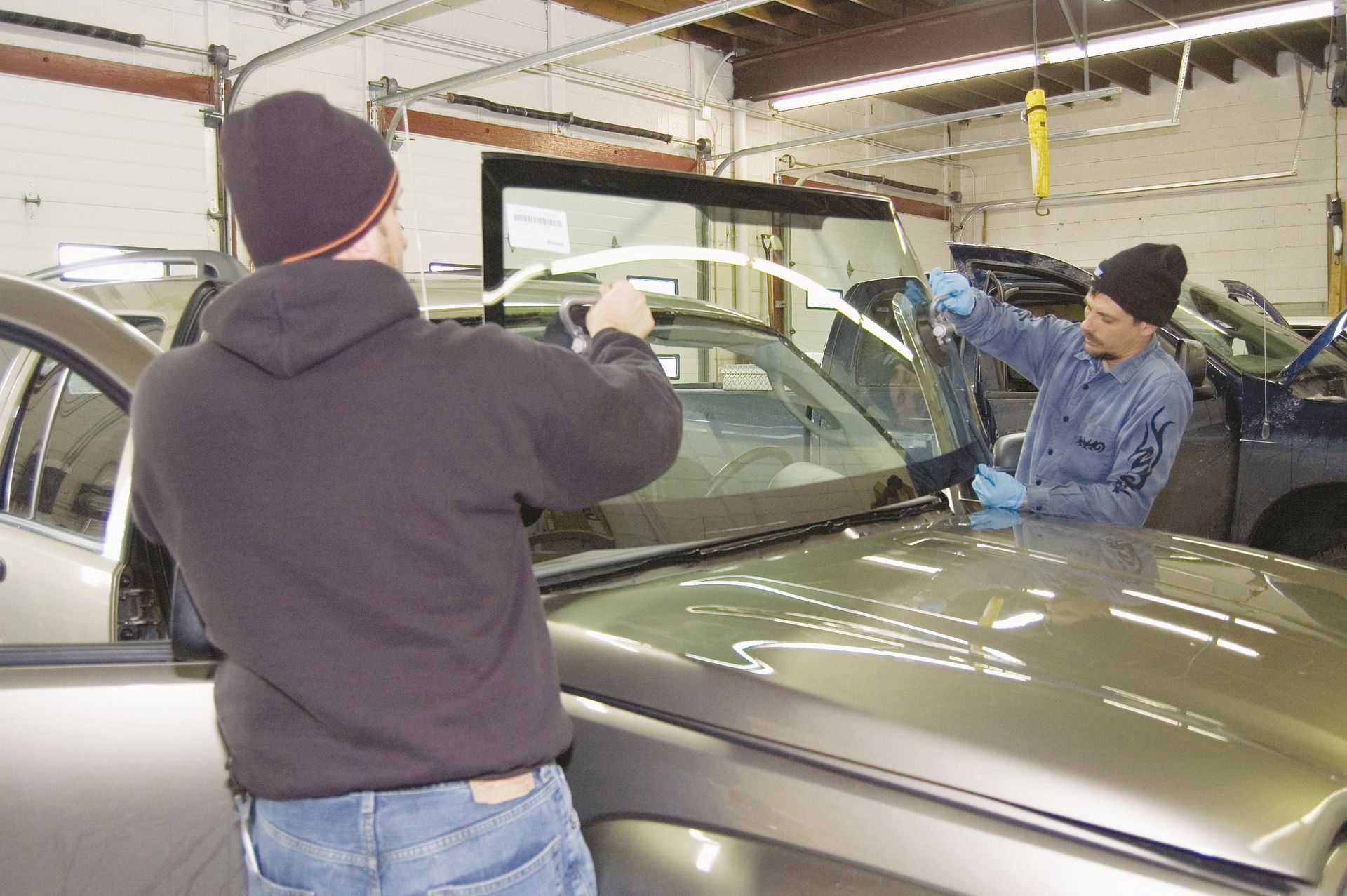
A full glass replacement introduces additional complexities compared to fixing a minor chip. Replacing the pane requires technicians to recalibrate the forward-facing cameras to factory specifications. This calibration process demands specialized equipment and specific environmental conditions to achieve accuracy. Fixing the original glass circumvents the need for recalibration procedures. Preserving the factory seal and original camera alignment ensures the continued reliability of the assistance features.
Restoring the Function of Sensor Systems
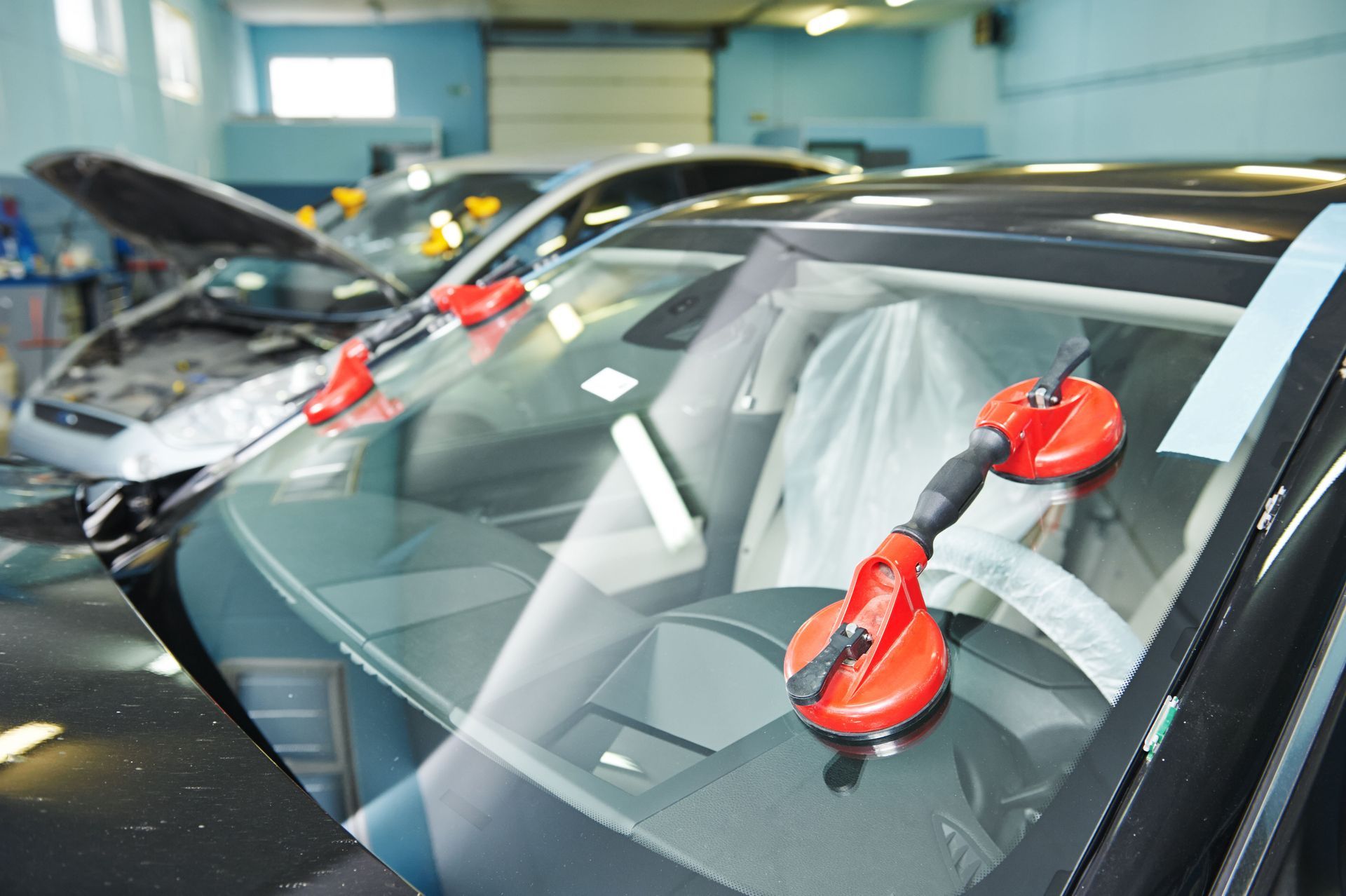
The process of fixing automotive glass involves injecting a clear, curable resin into the damaged area. Technicians clean the impact site to remove dirt and microscopic debris before attaching a vacuum tool. The vacuum extracts trapped air from the crack, allowing the resin to flow into every crevice. Ultraviolet light cures the resin, hardening it to match the strength of the surrounding material.
This technique restores the smooth surface of the pane, eliminating the ridges that cause light refraction. By returning the glass to a uniform state, the forward-facing cameras regain their unobstructed view of the road. The digital sensors can once again distinguish between shadows, vehicles, and lane markings. Clear glass allows the onboard computer to process visual data without encountering blind spots or distorted shapes.
Time plays a crucial role in the success of the resin injection process. Dirt and washer fluid accumulate inside a crack over time, contaminating the void. Contaminated cracks reject the resin, resulting in a cloudy finish that obstructs the camera lens. Addressing the damage soon after the impact ensures a clean site. A clean site yields a translucent finish that satisfies the optical requirements of the sensors.
Vehicle owners must understand that not all damage qualifies for resin injection. Large impacts or cracks longer than a dollar bill often compromise structural integrity beyond salvage. However, technicians can resolve most small stone chips through standard procedures. Prompt windshield repair addresses these minor issues before they escalate into irreparable breaks. This proactive approach saves the original glass and protects the functionality of the automated safety features.
Maintaining the Safety of Vehicle Occupants
The primary goal of any automotive maintenance routine centers on passenger safety. Clear visibility remains the most basic requirement for safe driving, both for human operators and digital systems. Timely windshield repair removes visual impediments that could delay a driver from noticing a hazard. It guarantees that automatic braking and lane-keeping systems activate when human reaction times fall short.
The structural role of the front glass adds another layer of safety consideration. Modern automotive design utilizes the front pane as a load-bearing component of the vehicle cabin. In the event of a rollover collision, intact glass prevents the roof from collapsing and crushing the occupants. The glass serves as the backstop for passenger-side airbag deployment. A compromised pane might shatter outward upon airbag impact, rendering the restraint useless.
Fixing chips early maintains the requisite strength of this critical structural component. The cured resin binds the micro-fractures together, preventing the glass from shattering under immense pressure. This structural restoration ensures the vehicle performs according to its original crash-test ratings. Occupants benefit from the full protection of the cabin architecture when the glass remains solid and uncompromised.
The integration of complex technology into everyday vehicles demands a shift in maintenance habits. Ignoring a tiny chip once seemed like a harmless delay. Today, that same delay jeopardizes collision avoidance networks. Taking immediate action to fix glass damage represents a vital step in responsible vehicle ownership. This diligence ensures that advanced safety mechanisms remain vigilant and ready to intervene during critical moments on the road.
The evolution of automotive technology intertwines safety features with the physical components of the car. Forward-facing cameras and sensors require pristine conditions to monitor the road and predict potential collisions. Even the smallest chip can disrupt the flow of visual data, rendering sophisticated systems ineffective. Prompt windshield repair clears the optical path and restores the functionality of these crucial digital aids. When you need to preserve the functionality of your vehicle's safety features, reach out to us at Professional Glass Installers. We provide prompt windshield repair to ensure your cameras and sensors maintain a clear view of the road ahead.